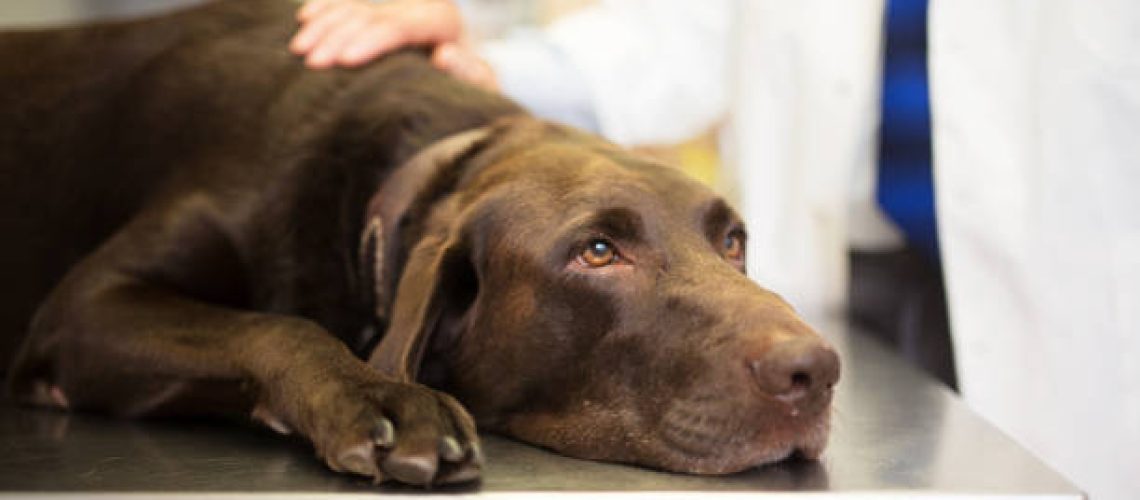
Recognising Pain In Your Pet - Why September Matters
Recognising Pain in Your Pet: Why September Matters
Every September, the veterinary world marks Pet Pain Awareness Month, and it’s a timely reminder for all of us. Our pets can’t tell us in words when something hurts, so it falls to us, as their owners, to learn their language of discomfort. The trouble is that many pets are remarkably good at hiding pain, an instinct left over from their wild ancestors, who couldn’t afford to look vulnerable. That means the signs are often subtle, easy to miss, and easy to write off as “just getting older” or “having an off day.”
Why Pain Often Goes Unnoticed
Pain in pets falls broadly into two categories. Acute pain is sudden and usually linked to an obvious cause, such as an injury, surgery, or infection. It tends to be easier to spot because the change in behaviour is sharp and immediate. Chronic pain is a different story. It builds gradually, often from conditions like arthritis, and it can persist long after any initial injury has healed. Because it develops slowly, chronic pain is far more likely to be mistaken for normal ageing or a simple change in temperament.
Signs to Watch For
Some signs of pain are unmistakable, like limping or yelping. Others are much easier to overlook. Keep an eye out for the following.
– Changes in movement. Stiffness after resting, reluctance to jump or climb stairs, or a change in gait can all point to underlying pain, particularly in joints.
– Changes in behaviour. A pet that suddenly becomes withdrawn, irritable, or unusually clingy may be telling you something is wrong. Cats especially tend to hide when they’re hurting, so a pet that disappears more than usual is worth a closer look.
– Changes in appetite and grooming. A decreased interest in food or water, or a noticeable drop in self-grooming, particularly in cats, can be an early indicator of pain.
– Changes in posture and expression. A hunched back, tucked abdomen, or altered facial expression, such as squinting or a tense jaw, are all subtle physical cues.
– Vocalisation. Not every painful pet will cry out, but excessive vocalising, or unusual silence from a normally chatty pet, can both be meaningful.
– Restlessness or excessive sleeping. Pain can disrupt normal rest patterns in either direction, so watch for pets who seem unable to settle, or who sleep far more than usual.
No single symptom on its own is cause for alarm, but a pattern of several changes together is a strong signal that a vet visit is worthwhile.
Supportive Care Options Worth Exploring
Alongside veterinary diagnosis and treatment, there’s a growing range of supportive options that can ease pain and improve comfort, particularly for chronic conditions like arthritis.
– Health supplements. Joint supplements containing glucosamine and chondroitin are among the most widely used, and they can help support cartilage health and reduce stiffness over time. Omega-3 fatty acids, found in fish oil, have anti-inflammatory properties that may ease joint discomfort. Green-lipped mussel extract is another option that’s gained popularity for supporting joint mobility. As with any supplement, it’s worth discussing dosage and suitability with a vet first, since individual pets and conditions vary.
– Bodywork and physical therapies. Hands-on and movement-based therapies can be a valuable complement to medical treatment. Canine and feline physiotherapy can help rebuild strength and mobility after injury or surgery, and can ease the effects of chronic conditions. Hydrotherapy offers low-impact exercise that takes pressure off sore joints while still building muscle. Massage therapy can relieve tension, improve circulation, and help owners spot sore or sensitive areas early. Some owners also explore canine or feline chiropractic care and acupuncture, both of which some pets respond well to as part of a broader pain management plan.
– Home comfort measures. Small changes at home can make a real difference too. Orthopaedic bedding takes pressure off joints, ramps or steps reduce the need for jumping, and non-slip flooring can prevent slips that aggravate sore limbs. Keeping a pet at a healthy weight is one of the simplest and most effective ways to reduce strain on joints.
None of these approaches replace a proper veterinary diagnosis, but used alongside professional advice, they can genuinely improve a pet’s day-to-day comfort. The pet directory website is a good place to find local vets, physiotherapists, hydrotherapy centres, and other practitioners who can help put together a plan that suits your pet.
What You Can Do
Trust your instincts. You know your pet’s normal habits better than anyone, and you’re best placed to notice when something shifts. If you suspect your pet is in pain, book a check-up rather than waiting to see if it resolves on its own. Early diagnosis makes a real difference to long-term comfort and quality of life, particularly with chronic conditions like arthritis, where management options are far more effective when started early.
This is also a good time to think about the wider support network around your pet. Regular check-ins with a trusted vet, a groomer who knows your pet well enough to notice changes, or a pet sitter who spends time with your pet in your absence can all help catch the subtle signs before they become serious. The pet directory website can help you find trusted local vets, groomers, and pet sitters who can be part of that support network.
Pain Awareness Month is a good nudge, but really, it’s a habit worth carrying through the whole year: watch closely, trust what you notice, and don’t wait to ask for help when something feels off.

Author: admin
.