Why Every New Zealand Pet Should Be Microchipped and Registered
For many New Zealand pet owners, a collar and tag feel like enough. The reality is that collars can break, tags can fall off, and frightened pets can travel surprisingly far from home. A microchip gives your pet a permanent form of identification that can help reunite you quickly if they are lost.
In New Zealand, microchipping is especially important because thousands of veterinary clinics, councils, shelters, rescues, and SPCAs use the New Zealand Companion Animal Register to identify lost animals and contact their guardians.
What Is a Pet Microchip?
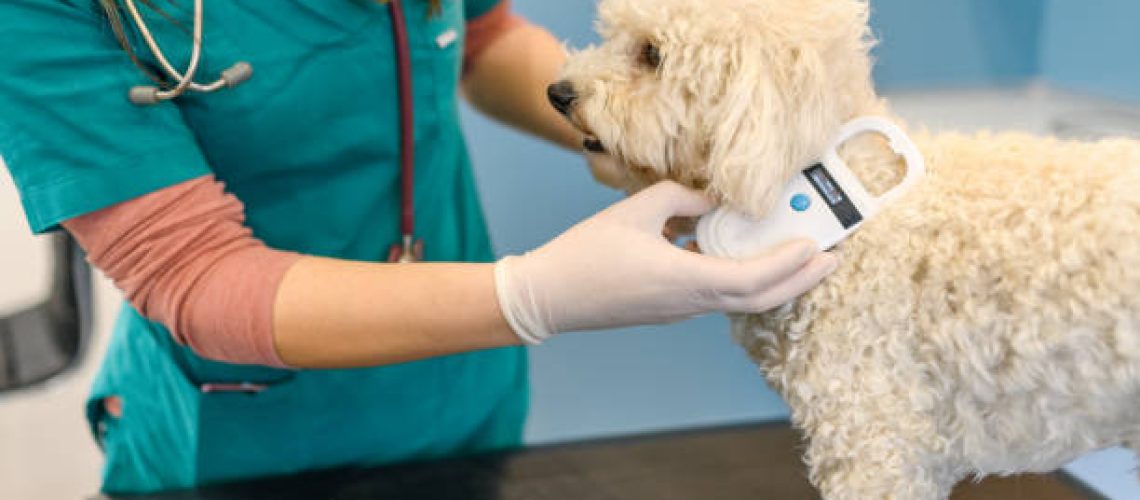
A microchip is a tiny electronic chip implanted under your pet’s skin, usually between the shoulder blades. The procedure is quick and similar to a standard injection. Each chip contains a unique identification number that can be read with a scanner.
The microchip itself does not store your contact details. Your information is linked to the chip number through a database such as the New Zealand Companion Animal Register (NZCAR).
Why Keeping Your Details Updated Matters
A microchip only works if the contact information attached to it is current. If you move house, change your phone number, or update your email address, your pet’s registration should be updated immediately.
The NZCAR allows guardians to:
- Update contact details
- Add a secondary contact
- Add pet photos and notes
- Mark a pet as lost
- Rehome a pet
- Manage multiple pets from one account dashboard
Animal welfare workers and pet owners regularly report that outdated contact details are one of the biggest reasons lost pets cannot be reunited quickly.
What You Need to Know About the NZ Companion Animal Register
The NZ Companion Animal Register (NZCAR) is New Zealand’s leading lost and found microchip database for pets. It is operated by Companion Animals New Zealand and has more than 1.5 million animals registered nationwide.
The register supports:
- Dogs
- Cats
- Rabbits
- Birds
- Horses
- Guinea pigs
- Many other companion animals
When an approved user such as a vet clinic, SPCA, rescue organisation, or council scans a lost animal’s chip, they can access the registration details and contact the guardian.
According to NZCAR information:
- Registration is a one off fee for the lifetime of the animal
- Lost and found listings are available through the platform
- Multiple pets can be linked to one account
- Secondary emergency contacts can be added
Is Microchipping Mandatory in New Zealand?
Under New Zealand law, most dogs registered after 1 July 2006 must be microchipped, although working farm dogs used mainly for herding or driving stock are exempt.
Dog owners should also understand that council dog registration and NZCAR registration are separate systems. Your dog can be registered with council but still have outdated or incomplete microchip information.
How to Check if Your Pet’s Chip Is Registered
If you are unsure whether your pet’s chip is registered or linked to the correct information, NZCAR provides a microchip checker on its website.
It is a good idea to check:
- After moving house
- After changing phone numbers
- When adopting a pet
- After changing ownership
- At least once a year
Lost Pets and Fast Reunions
Pets can disappear during fireworks, storms, open gate accidents, travel, or emergencies. Having an active and updated microchip registration gives your pet a far better chance of getting home safely.
Many New Zealand pet owners only discover their details are outdated after a pet goes missing. Taking a few minutes now to verify your pet’s information could save days of stress later.
You can learn more or update your pet’s registration through the official NZ Companion Animal Register website.
Read more from Derek Finchley Dog Walker who participates in the blog circle. https://www.finchleydogwalker.co.uk/the-importance-of-dog-tags-and-micro-chipping.html

Author: admin
.