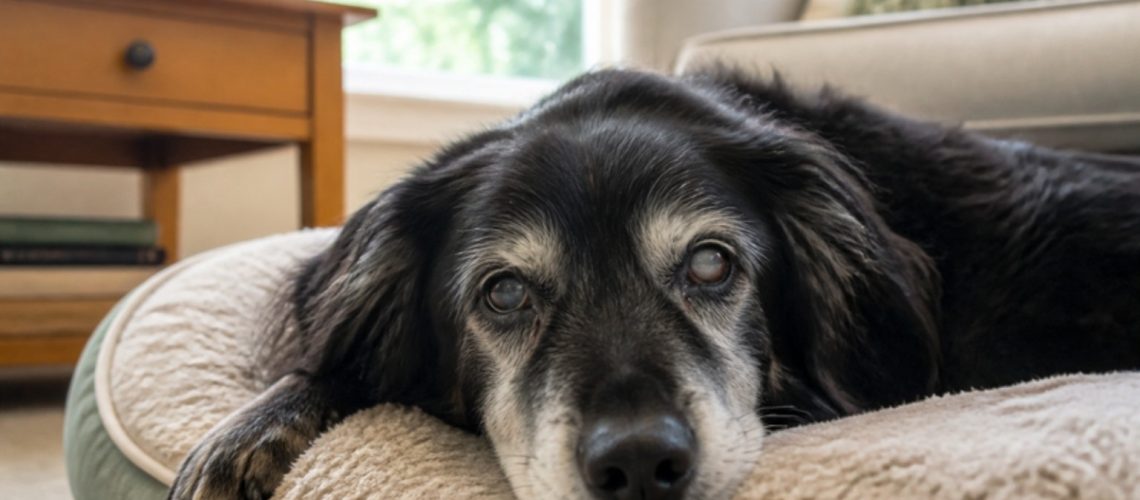
Golden Years: Caring for Your Senior Pet
There’s something special about a pet who has grown old alongside you. The grey muzzle, the slower walks and the softer, sleepier days all come with a depth of bond that only years together can build. Our senior pets have given us so much, and the later chapters of their lives are our chance to give back.
Caring for a senior pet isn’t complicated, but it does ask us to pay closer attention and adjust as they change. Here’s what to keep in mind.
When Is a Pet Considered Senior?
It depends on the pet. Larger dogs tend to be considered seniors from around seven years old, while smaller dogs and most cats often reach that stage a little later, somewhere between seven and ten. Every pet ages differently, and genetics, size, lifestyle and health history all play a part, so think of these ages as a rough guide rather than a rule.
Changes Worth Noticing
Some changes really are just part of growing older, but others can point to something that needs attention. It’s easy to put things down to age when they could be treated, so it’s worth keeping a gentle eye on the following.
- Slowing down, stiffness after rest, or reluctance to jump, climb stairs or get into the car.
- Changes in appetite, thirst or weight.
- Toileting accidents or changes in toilet habits.
- Confusion, restlessness at night, staring at walls, or seeming lost in familiar places.
- Dental problems, bad breath or difficulty eating.
- Lumps, bumps or changes in coat and skin.
- Changes in mood, such as becoming withdrawn, grumpy or unusually clingy.
None of these should be brushed off as “just old age” without a check. Many conditions common in older pets, such as arthritis, dental disease and kidney problems, can be managed well when they’re caught early.
Regular Check-Ups Matter More Now
Senior pets benefit from check-ups more often than younger ones, and many pet health providers recommend visits at least every six months once a pet reaches their later years. Regular check-ups give your pet health provider the chance to spot changes early, adjust pain management and talk through nutrition. If you’re unsure what’s normal for your pet, that conversation is a good place to start.
Keeping Them Comfortable at Home
Small changes around the house can make a big difference to a senior pet’s day.
- Provide supportive, orthopaedic bedding in a warm, draught-free spot.
- Use ramps or steps so your pet doesn’t have to jump onto furniture or into the car.
- Add non-slip rugs or mats on smooth floors, which can be hard going for stiff joints.
- Keep food, water and beds easy to reach, and on one level if possible.
- Keep nails trimmed and coats well groomed, as older pets can find it harder to look after themselves.
- Maintain a healthy weight, because extra kilos put extra strain on ageing joints.
Gentle Exercise and Mental Stimulation
Senior pets still need to move, just in a way that suits their bodies. Shorter, more frequent walks are usually kinder than one long outing, and gentle activities like swimming or hydrotherapy can build strength without stressing sore joints. Bodywork such as massage or physiotherapy can also help ease stiffness and keep your pet moving comfortably.
Minds need exercise too. Sniffing walks, puzzle feeders and short, easy training games keep older brains active, and many pets love learning that an old dog or cat can still enjoy new tricks, even simple ones.
Food and Supplements
Nutritional needs change with age. Some senior pets need fewer calories, while others need more help keeping weight on, so a one-size-fits-all approach doesn’t work. Joint supplements, omega-3 fatty acids and senior-specific diets are all popular choices, but it’s best to talk to your pet health provider before adding anything new, so you know what suits your pet and in what amount.
Cherish the Little Things
Perhaps the most important part of caring for a senior pet is simply slowing down with them. Let them sniff for as long as they like, keep the routine they love, and make time for the quiet moments, like a warm patch of sun or a long cuddle on the couch. Senior pets don’t need much, and what they do need is mostly your time and patience.
Finding Support
You don’t have to do it all alone. If you’re looking for pet health providers or other trusted local professionals who understand the needs of older pets, the pet directory website is a good place to start.

Author: admin
.